Published on: 27 Feb, 2026 13:14 IST
A special Court at Rouse Avenue, discharged Aam Aadmi Party (AAP) national convener and former Chief Minister Arvind Kejriwal, former Deputy Chief Minister Manish Sisodia, and all 21 other accused including BRS leader K Kavitha—in the high-profile Delhi excise policy corruption case.
The Rouse Avenue Court’s Special Judge Jitendra Singh refused to take cognisance of the CBI chargesheet, ruling that the prosecution failed to establish even a prima facie case. The court explicitly stated there was “no overarching conspiracy or criminal intent” in the now-scrapped 2021-22 excise policy. It sharply criticised the CBI for investigative lapses, noting the chargesheet’s “voluminous” nature contained contradictions, unsupported claims, and significant gaps not backed by credible evidence or witness statements.
The judge emphasised that serious allegations especially attributing a central conspiratorial role to figures like Kejriwal require solid material proof, and the absence of such evidence undermines public confidence in the rule of law, particularly when a constitutional officeholder is involved.
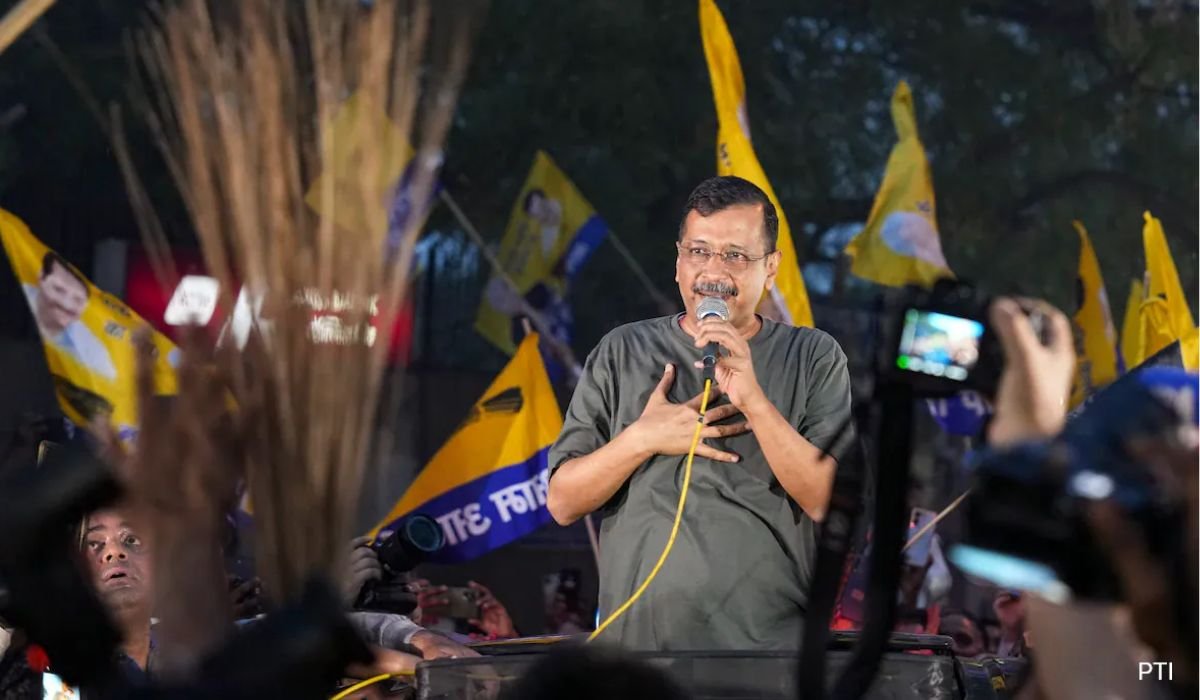
Outside the court, an emotional Kejriwal broke down in tears while addressing reporters. Recalling his March 2024 arrest and imprisonment, he described the case as the “biggest political conspiracy in independent India”, allegedly orchestrated by the BJP to destabilise AAP’s government in Delhi. “A sitting Chief Minister was dragged out of his home and thrown into jail. Mud was flung at us,” he said, adding that the verdict proves he and AAP are “kattar imaandar” (dead honest). He urged against playing with the Constitution and the country for political power, reiterating that truth ultimately prevails.
The case stemmed from allegations of irregularities, kickbacks, and favouritism in the Delhi government’s liquor policy, which was withdrawn amid controversy in 2022. Kejriwal and Sisodia faced prolonged legal battles, including arrests and jail time in Tihar, with claims of medical negligence and denial of insulin during detention. The Supreme Court intervened in September 2024, granting bail to Kejriwal on grounds that prolonged incarceration amounted to unjust deprivation of liberty.
This discharge marks a major legal and political vindication for the AAP leaders after years of scrutiny and high drama. The CBI’s case has effectively collapsed at the threshold stage, with no trial proceeding against any of the accused.